-
Polar icebreaking—The short history of a BIG mission
—Since the late 1800s, the United States Coast Guard and its predecessor agencies have played an essential role in U.S. polar operations. A new kind of ship, the icebreaker, evolved to serve U.S. commercial and strategic interests spread in the Arctic.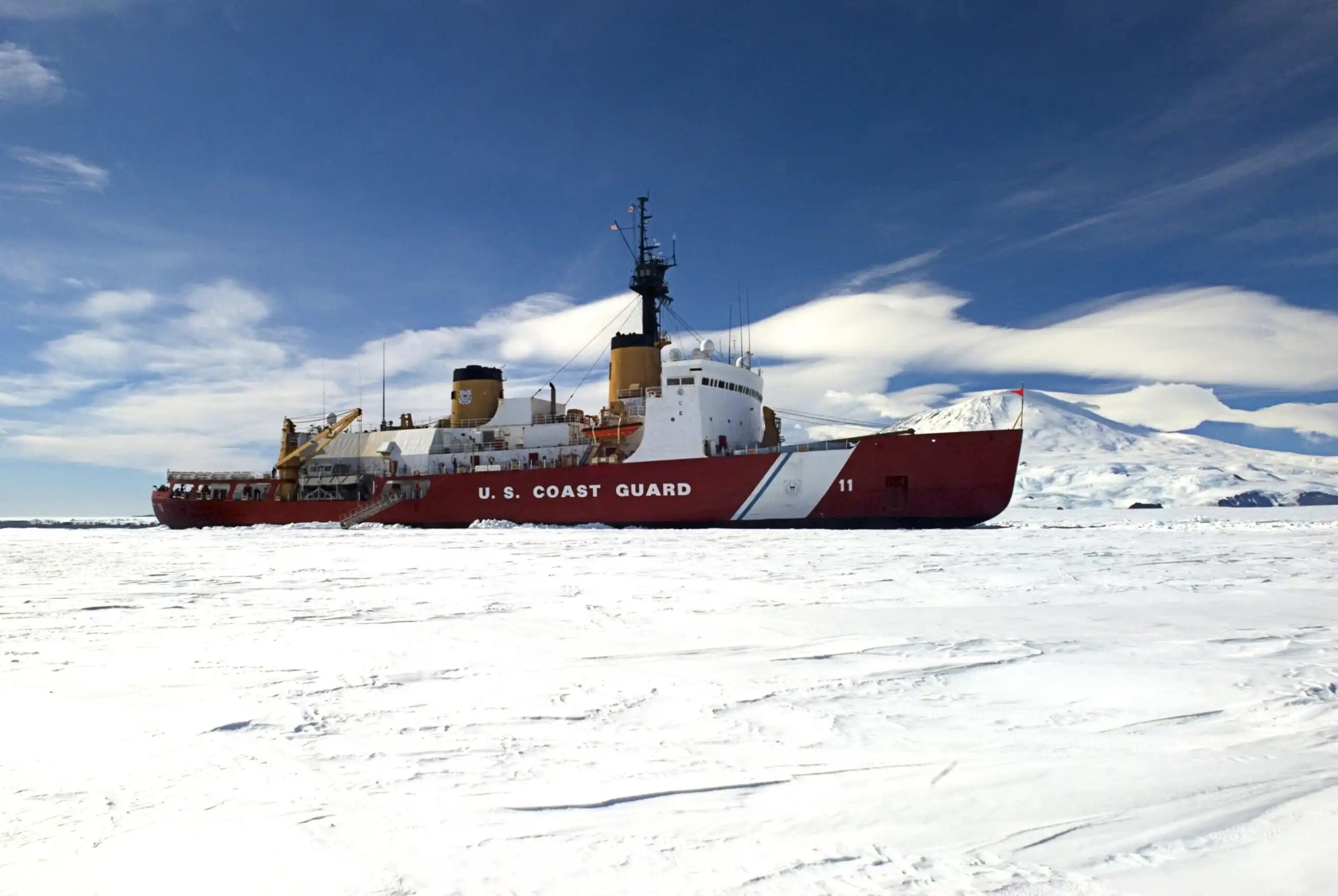
-
E.A. Stevens—the service’s Civil War gunboat 160 years ago!
—Drewry’s Bluff put the Revenue Marine’s gunboat E.A. Stevens to the test, marking a leap from wood and sail to iron and steam.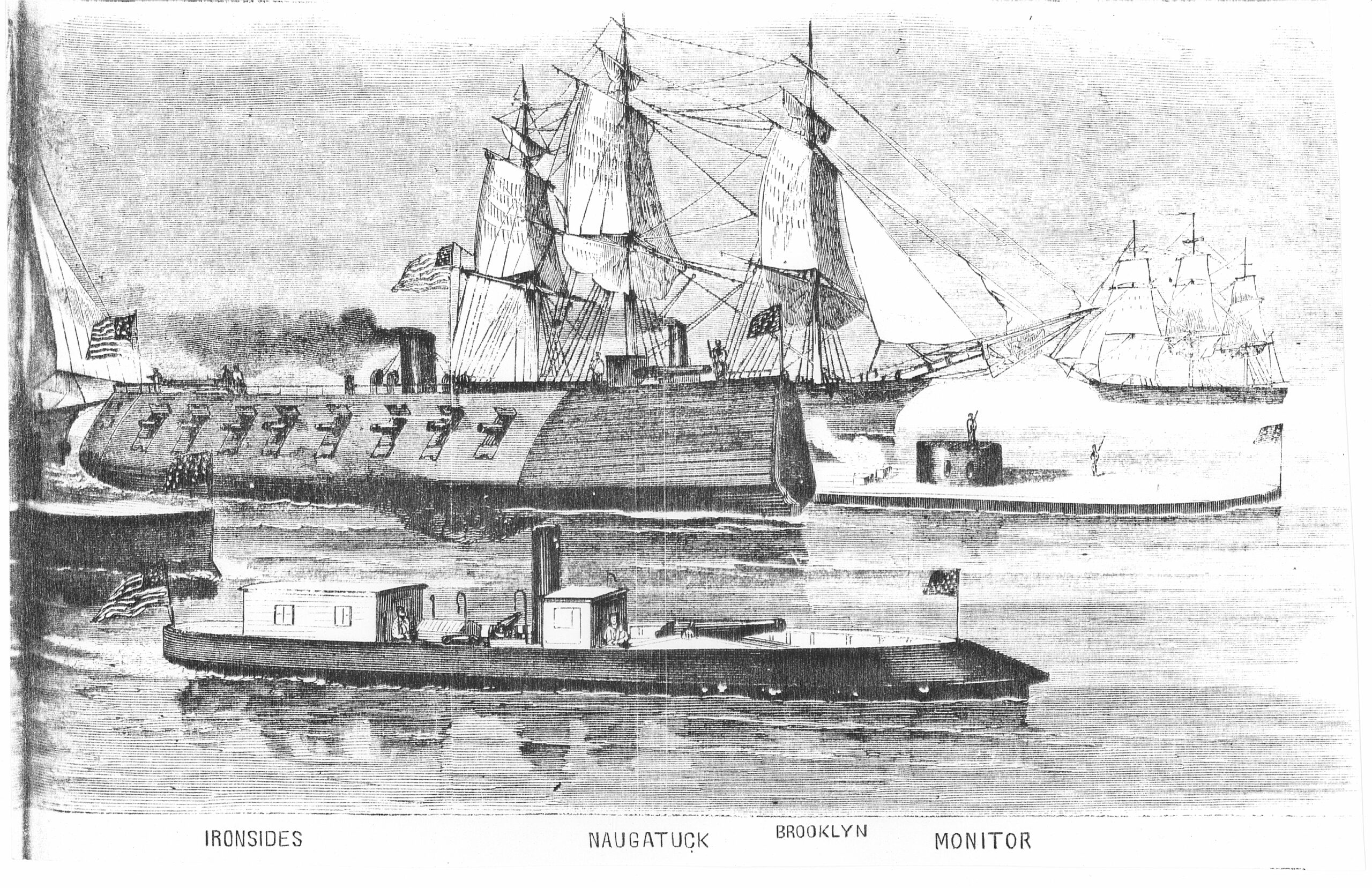
-
Remembering BMCS Terrell Horne—father, friend, hero, mentor, and FRC namesake
—What began as a routine interdiction became a lethal ambush: a ramming at sea, a split‑second shove that spared a shipmate and a sacrifice the Coast Guard will never forget.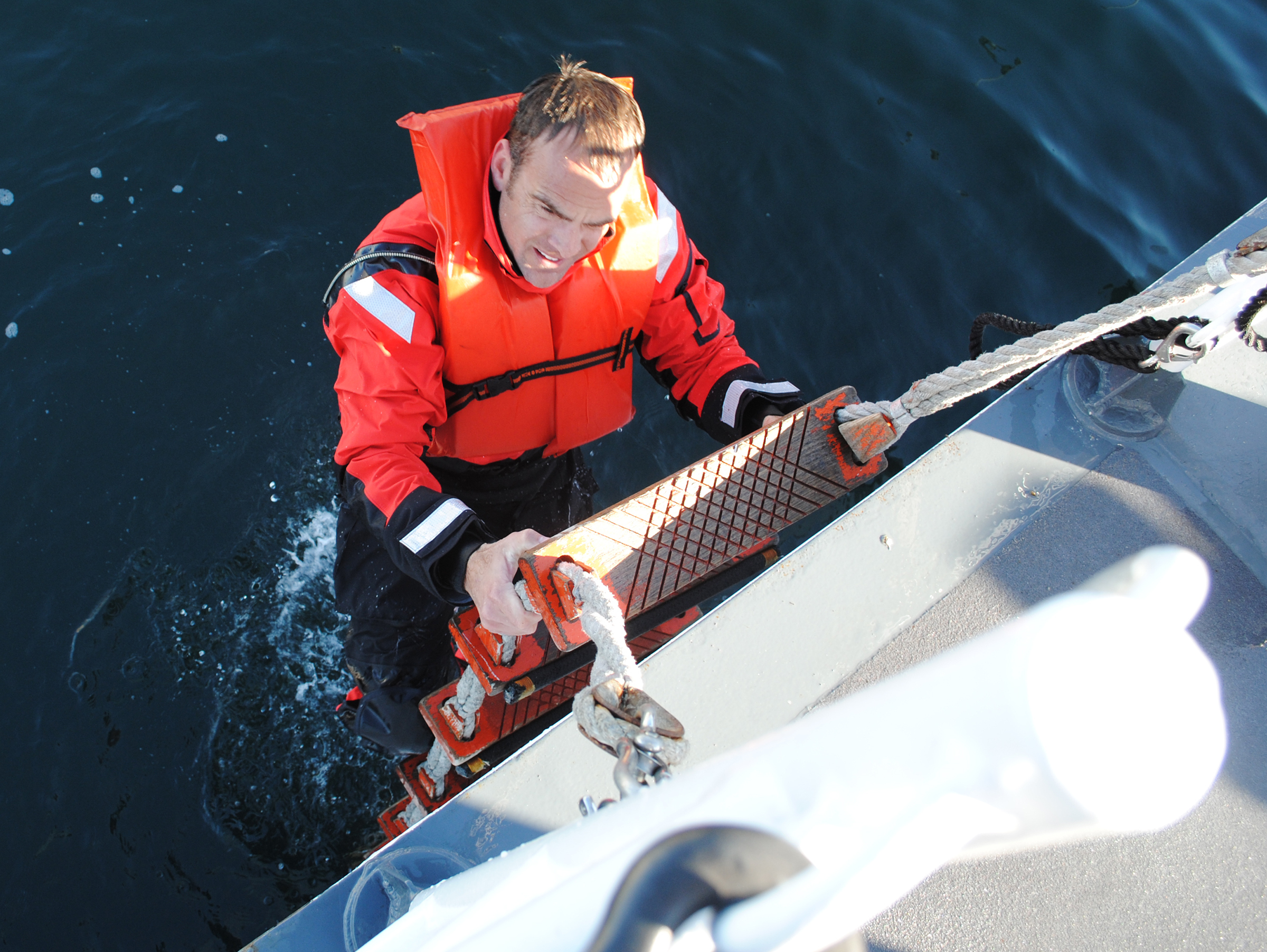
-
Robert Billard — commandant, commander, warrior, educator and mastermind of rapid expansion
—Billard oversaw the largest and fastest peacetime expansion in Coast Guard history.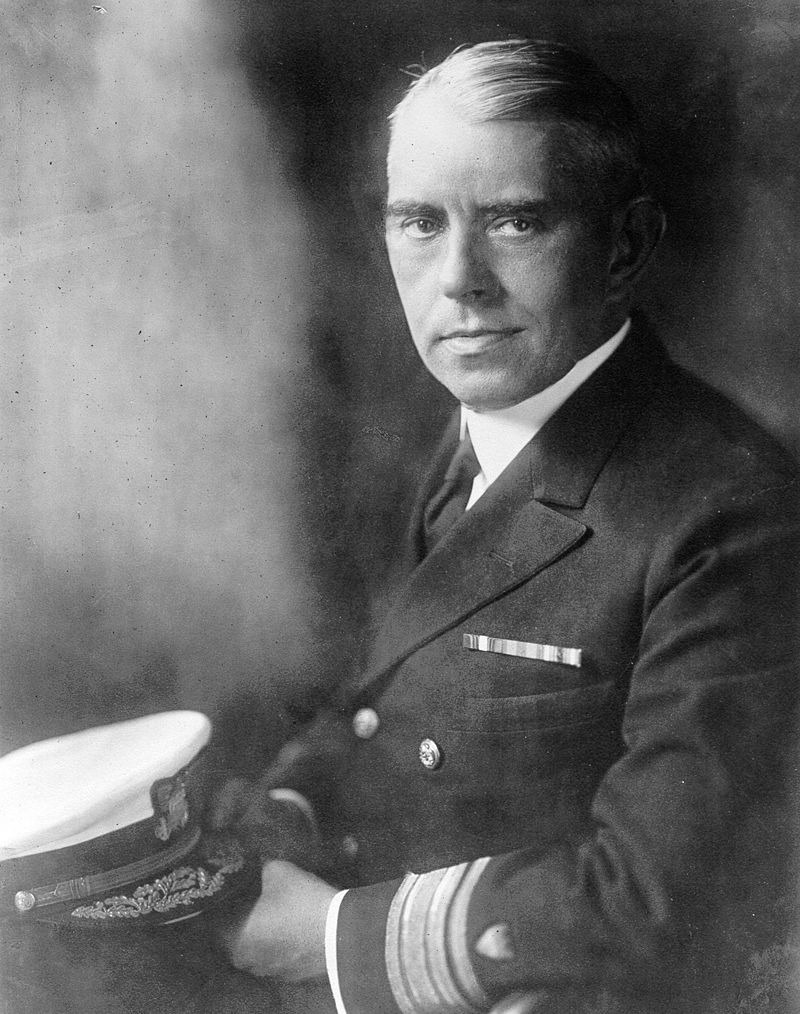
-
Capt. Francis Martin—the most ancient of “Ancient Mariners” with 63 years of service!
—The Coast Guard established the Ancient Mariner Award in 1978 to honor the officer and enlisted cuttermen who personify the dedication and professionalism associated with long service at sea and have held the distinction of cutterman longer than any other officer or enlisted member.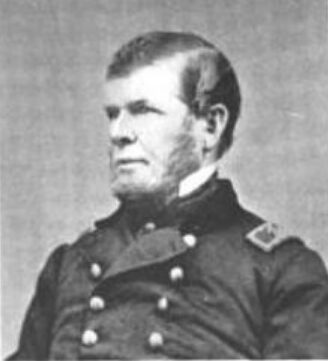
-
“CG 1”—the Coast Guard’s first aircraft
—In 1926, the Coast Guard’s Loening OL-5 launched aviation for Prohibition interdiction, with Gloucester and Cape May air stations aiding cutters to counter rum-running.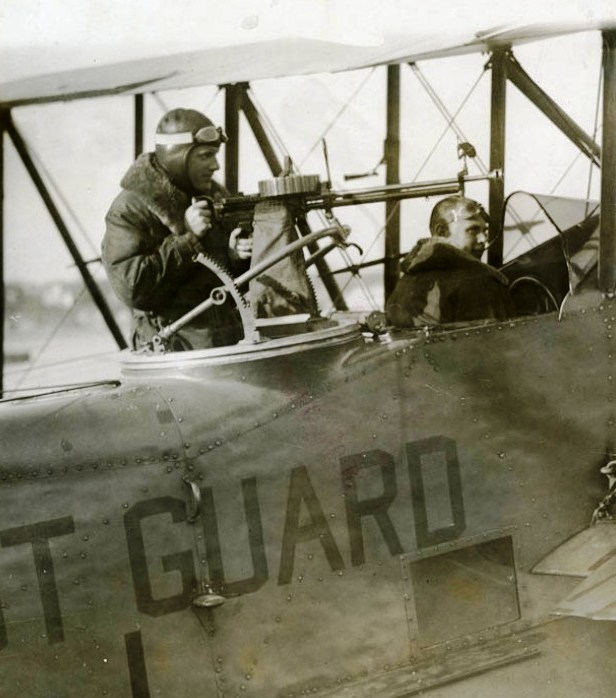
-
Elmer Stone—Coast Guard Aviator #1 set the world record over 100 years ago!
—It should come as no surprise that over 100 years ago a Coast Guard aviator was the first to pilot an aircraft across the Atlantic. Elmer Fowler Stone topped the list of applicants for the Revenue Cutter Service School of Instruction class of 1913, a small group that would feature several distinguished graduates in the history of Coast Guard aviation.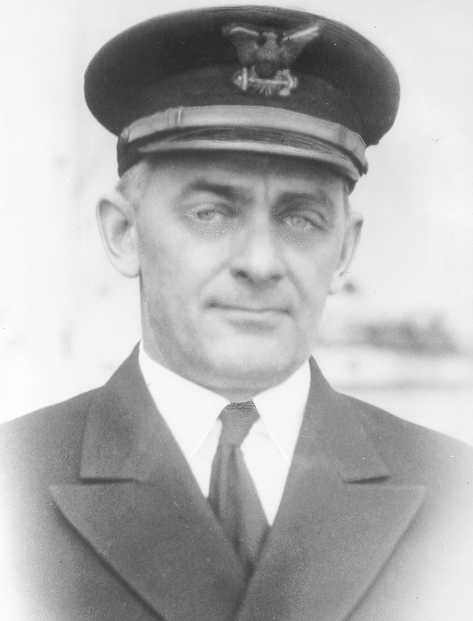
-
MSSTs and MSRTs—Forged in the crucible of 9/11
—With the terrorist attacks of September 11, 2001, the War on Terror set in motion dramatic changes to the Coast Guard.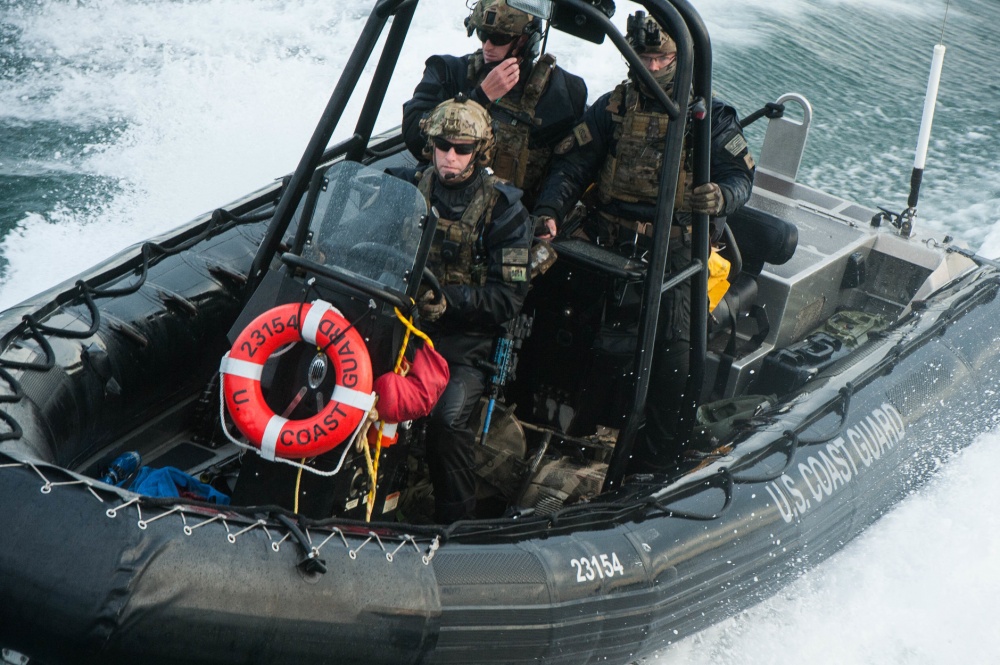
-
Coast Guard Diving—over 80 years of history!
—The Coast Guard has a rich history of underwater operations. Since the early 1940s, the service has nurtured a diving capability that has become vital to modern Coast Guard missions.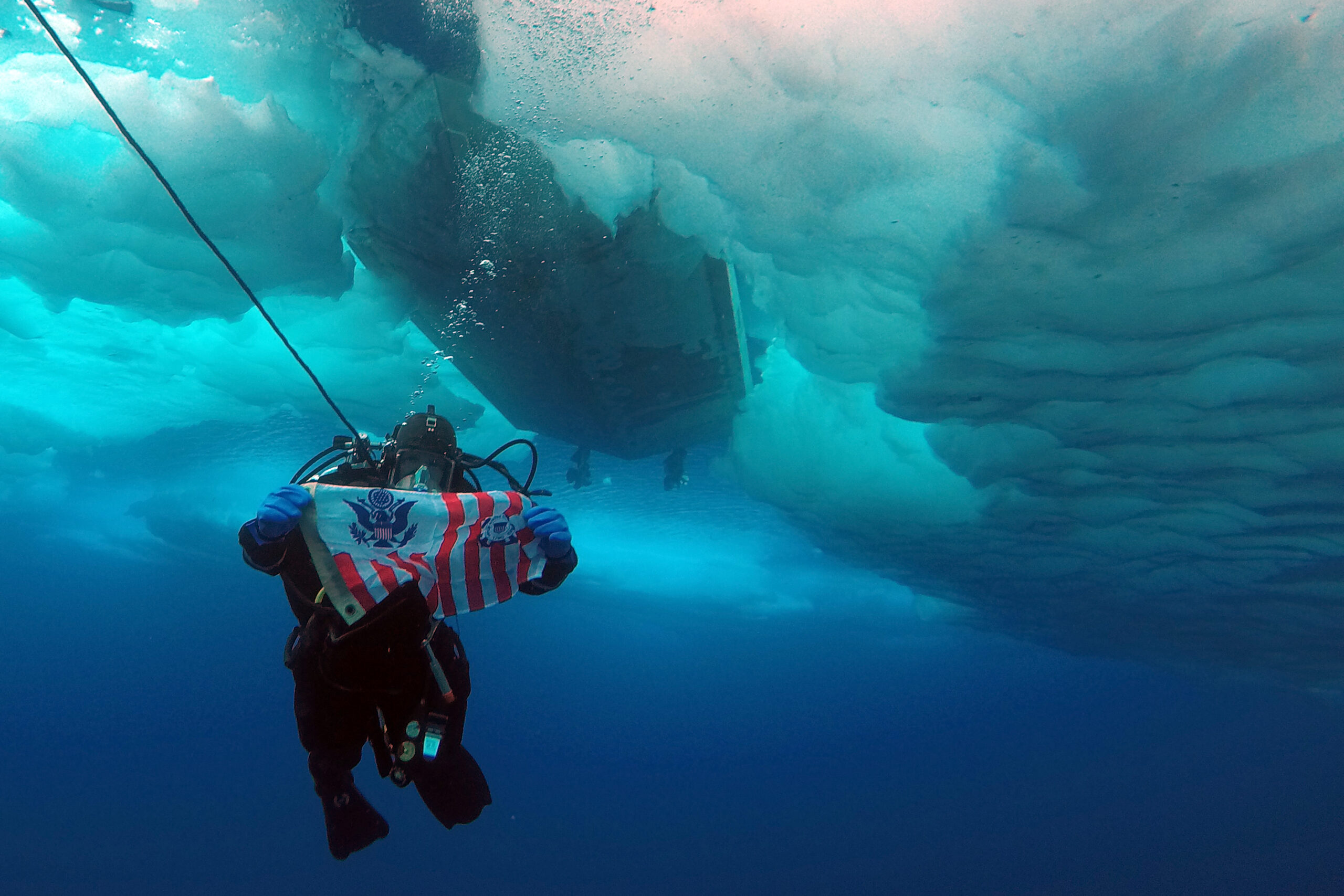
-
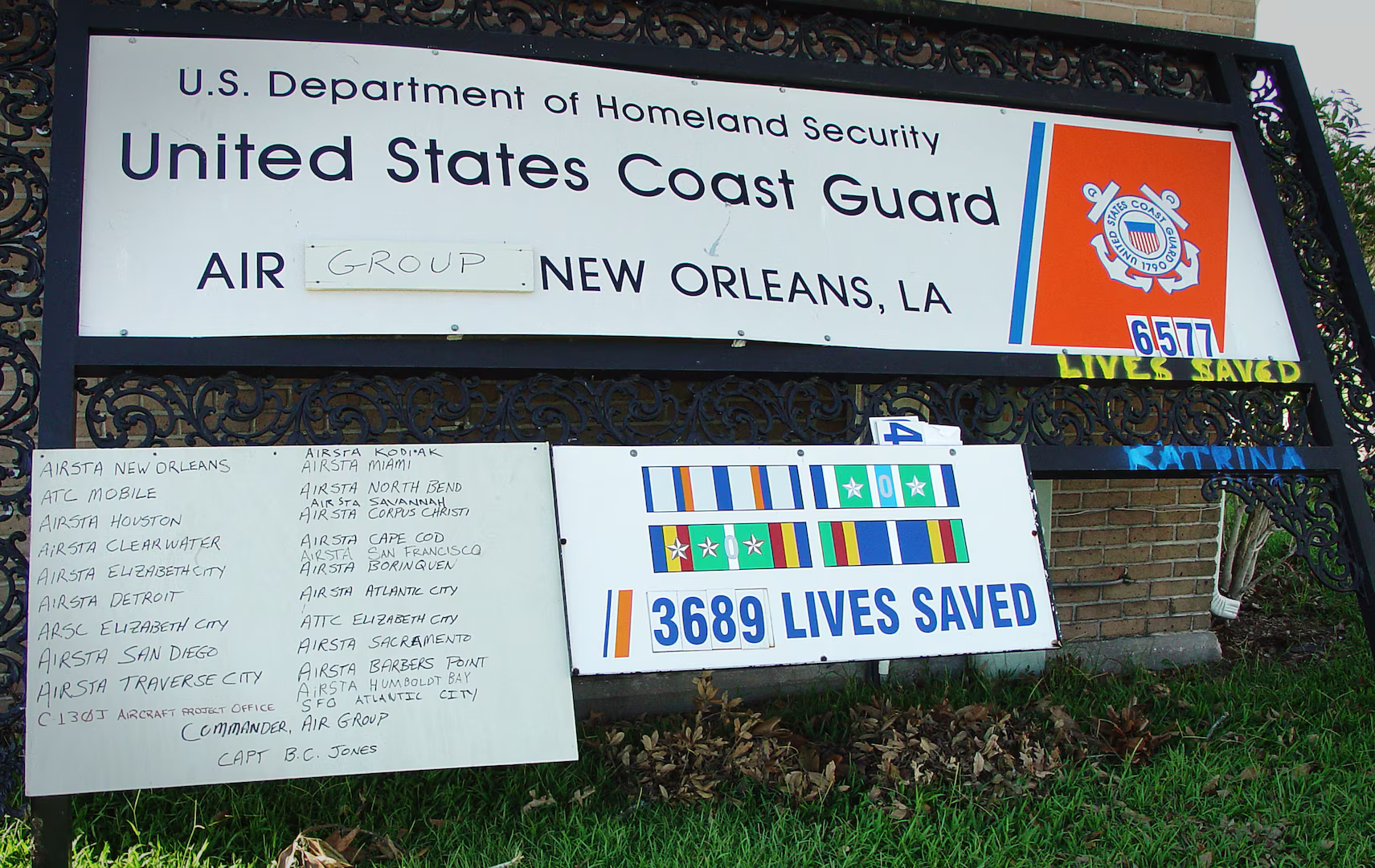
Journey of a Coast Guard Museum Artifact: The Sign
—Oftentimes during a crisis, an iconic image or object defines that moment. During the search and rescue effort following landfall of Hurricane Katrina, several of those images and relics became a hallmark of Aug. 29, 2005, the day the massive storm ravaged the Gulf Coast. To the men and women stationed at Coast Guard Air Station New Orleans, the air station’s sign became that iconic relic.